



brain balance
for children’s learning & concentration
Building the underlying skills for attention, coordination, processing and learning.
Perhaps your child is bright and capable, but concentration, reading, writing, coordination or following instructions seem much harder than you would expect.
Homework may take forever. They may lose their place when reading, struggle to sit still, forget instructions, tire easily or become frustrated when they can't keep up.
Sometimes the question isn't simply “Why won't my child concentrate?” but “What is making concentration so difficult for them?”
Brain Balance looks beneath the surface, using movement and multi-sensory activities to strengthen some of the underlying developmental skills children rely on for learning.
It may be worth exploring if your child experiences difficulties with:
concentration and staying on task
processing or remembering instructions
reading, writing or handwriting
coordination and balance
visual tracking and eye movements
timing and sequencing
working memory
sitting comfortably and maintaining posture
becoming easily overwhelmed by learning
confidence when schoolwork feels difficult


what happens in a brain balance session?
Movement & Coordination
Building body awareness, balance and coordinated movement.
Visual Skills
Activities supporting tracking, focusing, convergence, divergence and eye movements used in learning.
Timing & Rhythm
Using rhythm and metronome-based activities to develop timing, sequencing and processing.
Hand–Eye Coordination
Beanbag, ball and movement activities that connect what the eyes see with how the body responds.
Processing & Working Memory
Activities that challenge listening, remembering, sequencing and responding.
Developmental Foundations
Movement activities supporting underlying motor and developmental skills that may influence learning.
Your Brain Balance Journey
You don't need to know whether Brain Balance is the right programme for your child before getting in touch. We'll help you work that out.
01 — Tell Us What's Happening
Complete our short referral form and tell us a little about your child, what's feeling difficult and what you've been noticing at home or school.
02 — Let's Have a Chat
We'll arrange a conversation with you to understand your child's needs in more detail and talk through whether Brain Balance could be a good fit.
We'll explain the programme, answer your questions and make sure you know exactly what to expect.
03 — Get Started Together
10 week programme £65 per session
If Brain Balance feels right for your child, you'll begin, a parent or carer attends alongside their child, so you're part of the process from the beginning.
04 — Learn, Practise, Return
Each week, we'll work through activities with you and your child and show you what to practise at home.
You'll leave with simple weekly tasks, practise them together during the week and return for your next session, where we'll review how things are going and introduce the next activities.
05 — Build Week by Week
Over the 10 weeks, we gradually build on your child's skills and adapt activities according to how they're responding.
You're not sent away to figure it out alone. We'll guide you and your child through the programme, one week at a time.
10 weeks. Parent and child together. Small steps at home. Stronger foundations for learning.
-
Every child is different. Brain Balance allows us to look at the individual skills that may be making learning, movement or everyday life harder, and focus support where it is needed most.
Movement & Coordination
Movement provides important foundations for development. We use targeted activities to support balance, posture, body awareness, hand-eye coordination and the way the two sides of the body work together.
Rhythm, Timing & Sequencing
Being able to recognise and follow rhythm and sequence supports much more than movement. We use rhythm and timing activities to develop the organisation and processing skills needed for everyday tasks and learning.
Visual Processing
Seeing clearly is only part of vision. We work on skills such as tracking, focusing, convergence and eye movements that help children efficiently use visual information for reading, writing and everyday activities.
Auditory Processing
Some children hear perfectly well but find it difficult to efficiently process what they hear. Activities can support listening, following instructions, recognising patterns and processing auditory information.
Attention, Processing & Working Memory
We work on the underlying skills involved in maintaining attention, processing information and holding information in mind, important foundations for following instructions, completing tasks and learning.
Sensory Processing & Regulation
When the brain has difficulty organising sensory information, everyday environments can feel overwhelming. Movement and sensory experiences can help support a more organised nervous system and greater regulation.
Primitive Reflex Integration
For some children, early movement patterns or primitive reflexes may still be influencing posture, coordination, attention or learning. Where appropriate, we incorporate targeted reflex integration activities into their individual programme.
-
Sometimes you know your child is finding things harder than they should be, but it isn't always easy to understand why. Brain Balance may be helpful if you recognise some of the following:
My child struggles to focus or follow instructions
They may find it difficult to stay with a task, remember several instructions, organise themselves or process information quickly, particularly in busy environments.
Learning seems harder than it should be
Reading, writing, copying from the board or completing schoolwork may take considerable effort, even when your child understands what they are being asked to do.
My child seems clumsy or poorly coordinated
You may notice difficulties with balance, catching a ball, handwriting, posture, crossing the midline or coordinating both sides of the body.
My child becomes easily overwhelmed
Noise, movement, busy environments, transitions or everyday sensory experiences may feel like too much, making it harder for your child to stay regulated and engaged.
My child seems to process things slowly
They may need extra time to respond, follow instructions, organise their thoughts or complete tasks particularly when they need to listen, remember and act at the same time.
My child is working really hard to keep up
Sometimes children are managing, but only through enormous effort. You may notice tiredness after school, frustration, avoidance or a loss of confidence when things repeatedly feel difficult.
We know something is difficult, but we're not sure what
You don't need to know whether the difficulty is sensory, developmental, visual, auditory or related to retained reflexes before contacting us. We look at the whole child, help you understand what may be getting in the way and guide you towards the right next step.

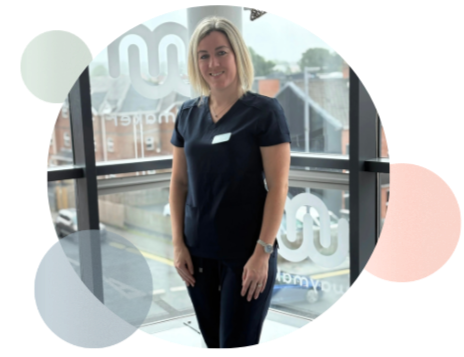
Meet Tara
With a warm, holistic approach, Tara looks beyond the difficulties a child is experiencing to understand the skills that may need a little more support. She works alongside children and parents throughout the Brain Balance programme, making activities achievable, enjoyable and easy to continue at home.
Not sure if Brain Balance is right for your child?
That's okay. You don't need to know what's causing the difficulty before you get in touch. Complete our referral form, tell us what's happening, and we'll help you work out the right next step.
play that matters
〰️
play that matters 〰️
Thank you Tara we had an amazing 10 weeks with you, my son loved to come to you every week. Tara was absolutely amazing from start to finish. Now we can continue on working on the programme at home we will miss Tara so much she is an incredible woman. Tara helped us so much, thank you for your amazing work for all of us as a family
Testimonial, read more


Stronger Foundations. New Possibilities.
