

School Refusal
When Your Child Can’t Face Going to School
When your child can't face going to school, mornings can quickly become overwhelming for the whole family.
Tears. Tummy aches. Meltdowns. Pleading to stay home. Or a child who simply shuts down and says, “I can’t go.”
It can be tempting to see school refusal as a behaviour that needs to be changed. But often, the more helpful question is:
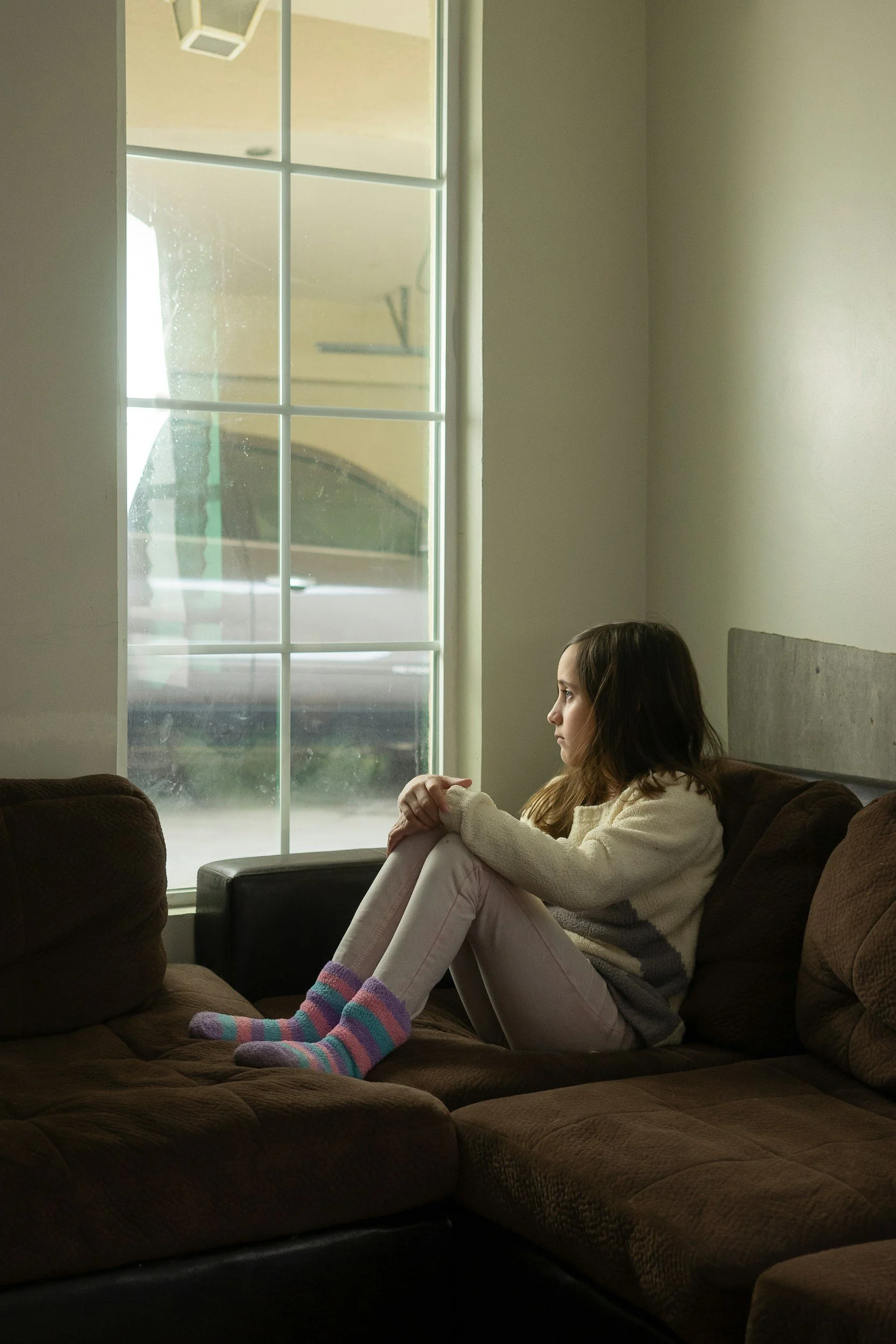
What is making school feel so difficult for this child?
At WayMaker, we believe behaviour tells us something. When a child is struggling to attend school, we look beyond getting them through the school gates and try to understand what is happening underneath.
What is school refusal or EBSA?
School refusal is sometimes described as Emotionally Based School Avoidance (EBSA). It describes children and young people who experience significant emotional distress around attending school.
This isn't simply a child deciding they don't want to go.
For some children, their nervous system has begun to experience school as overwhelming or unsafe. By the time they refuse to attend, they may have been trying to cope for a long time.
What can be underneath school refusal?
There isn't one cause.
A child may be struggling with anxiety or friendships. Another may be overwhelmed by noise, transitions and the sensory demands of the classroom. A neurodivergent child may have spent months masking before reaching a point of exhaustion.
Sometimes there are several things happening together.
We may need to consider:
anxiety and emotional overwhelm
autism or ADHD
sensory processing differences
masking and burnout
learning or concentration difficulties
bullying or friendship difficulties
separation anxiety
transitions or changes at school
retained primitive reflexes or developmental immaturity
difficulties regulating the nervous system
The behaviour we see is often only the tip of the iceberg.
When “they're fine at school”
doesn't tell the whole story
This can be particularly confusing for parents.
Your child may hold everything together during the school day, only to fall apart when they get home.
They may become angry, tearful or completely exhausted. Sunday evenings can become difficult. Tummy aches or headaches may appear before school. Eventually, getting through the door can feel impossible.
This doesn't necessarily mean there wasn't a problem before.
Home may simply be the place where your child finally feels
safe enough to let go.
Why forcing attendance isn't the answer
Regular school attendance matters. But when a child is experiencing genuine distress, focusing only on attendance can miss what is driving the difficulty.
If we don't understand the why, we risk asking a child to repeatedly manage something their brain and body currently don't have the resources to cope with.
Support needs to help a child feel safer and more able to manage the demands being placed upon them.
That takes curiosity rather than judgement.
How can we help a child experiencing school refusal?
There isn't a single programme that works for every child because every child's story is different.
At WayMaker, we begin by gathering the whole picture.
We listen to parents, consider what is happening at school and explore your child's emotional, sensory and developmental needs.
Depending on what we discover, support might include Play Therapy, Art Therapy, sensory support, INPP Reflex Integration, nervous-system regulation or parenting support.
And importantly:
You don't need to know which service your child needs before you contact us.
What can parents do now?
If school mornings are becoming increasingly difficult, try shifting the focus from:
“How do I make them go?”
to:
“What is making it so hard for them to go?”
Listen to what your child is communicating, through their words, behaviour and body.
Notice patterns. When does the distress begin? Are particular days, lessons, environments or transitions harder? What happens after school? What seems to help them feel safe and regulated?
Those clues can help us begin to understand what your child needs.
You don't have to navigate school refusal alone
School refusal can affect the whole family. Parents can find themselves caught between their child's distress, concerns about education and pressure to improve attendance.
There can be a way forward.
Understanding what's happening underneath gives us somewhere to begin.
At WayMaker, we'll work alongside you to understand your child, identify what may be making school difficult and find the next step that feels right for your family.
Helping children feel safe, understood and ready to learn.